10 Essential Lawn Care Jobs to Tackle Before Autumn Arrives
6 August 2026
Why Late Summer Is the Most Important Time for Lawn Care
Many homeowners think spring is the most important season for lawn care.
In reality, late summer and early autumn are when your lawn begins preparing for winter. The grass is still actively growing, soil temperatures remain warm, and rainfall usually increases, creating ideal conditions for strengthening roots.
The work you complete now determines how your lawn performs over the coming months.
Neglecting essential maintenance often leads to:
- Moss invasion
- Thin patches
- Poor drainage
- Weed growth
- Compacted soil
- Weak root systems
- Expensive lawn repairs in spring
At TaylorMade Garden Machinery, we see the same pattern every year. Many of the lawn problems customers experience in spring can be traced back to skipped maintenance during late summer and autumn. A little preparation now can save significant time and expense later.
1. Raise Your Lawn Mower Cutting Height
One of the biggest mistakes homeowners make is continuing to cut their lawn as short as they did during peak summer.
As daylight hours shorten, grass naturally grows more slowly.
Cutting it too short:
- Weakens roots
- Encourages weeds
- Increases moss
- Leaves soil exposed
- Causes drought stress
Instead:
- Increase cutting height by around 10–20 mm.
- Never remove more than one-third of the blade at a time.
- Continue mowing regularly while the grass is growing.
A slightly longer lawn protects moisture, shades the soil and builds stronger roots before winter.
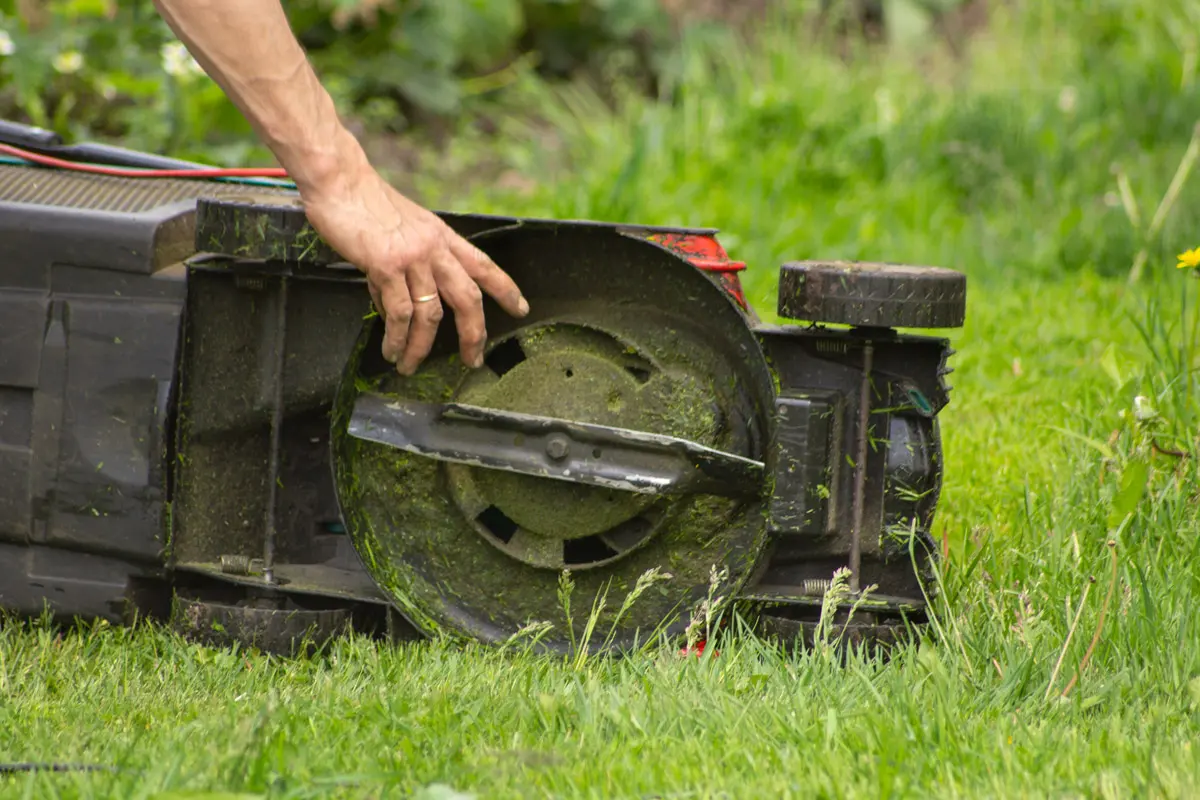
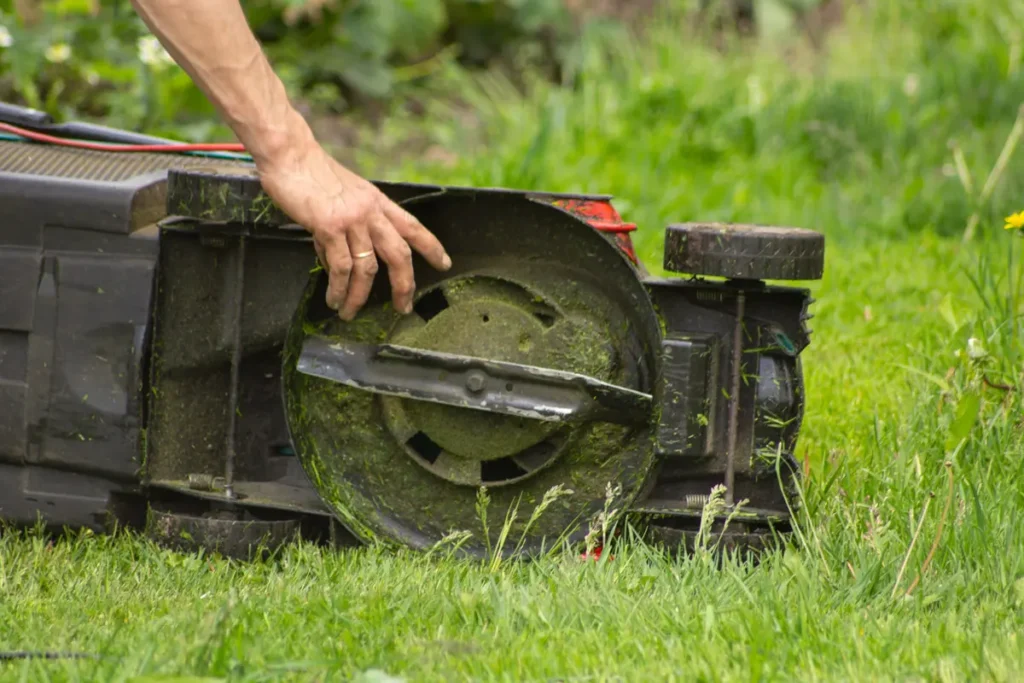
2. Sharpen Your Lawn Mower Blade
A sharp mower blade produces a clean cut.
A blunt blade tears grass instead.
Damaged grass tips:
- Turn brown
- Lose moisture
- Become vulnerable to disease
- Make your lawn look untidy
Signs your blade needs sharpening include:
- Frayed grass tips
- Uneven mowing
- Brown edges after cutting
- Longer mowing times
Professional blade sharpening also reduces strain on your mower’s engine, improving performance and fuel efficiency.
3. Feed Your Lawn with an Autumn Fertiliser
Grass requires different nutrients in autumn than it does in spring.
Instead of encouraging rapid leaf growth, autumn fertilisers focus on strengthening roots.
Look for fertilisers that contain:
- Lower nitrogen
- Higher potassium
- Phosphorus for root development
These nutrients improve your lawn’s resistance to:
- Frost
- Disease
- Winter stress
- Heavy rainfall
Avoid applying high-nitrogen spring fertilisers late in the season.
4. Scarify to Remove Moss and Thatch
Over time, lawns develop a layer of dead grass, moss and organic material known as thatch.
Too much thatch prevents:
- Air reaching the roots
- Water soaking into soil
- Nutrients penetrating deeply
Scarifying removes this layer and encourages healthier grass growth.
Benefits include:
- Better drainage
- Reduced moss
- Stronger roots
- Improved nutrient uptake
- Healthier grass colour
If your lawn feels soft or spongy underfoot, scarifying is likely overdue.
5. Aerate Compacted Soil
Soil naturally becomes compacted through:
- Foot traffic
- Children playing
- Pets
- Garden furniture
- Heavy rain
- Summer drought
Compacted soil limits oxygen, water and nutrients reaching grass roots.
Aeration creates thousands of small holes that improve:
- Drainage
- Root development
- Earthworm activity
- Water penetration
For most domestic lawns, aerating once each autumn makes a noticeable difference.
6. Overseed Thin or Bare Areas
Late summer provides excellent conditions for grass seed germination.
Warm soil combined with cooler air encourages rapid establishment.
To repair damaged areas:
- Remove dead grass.
- Lightly rake the soil.
- Apply quality grass seed.
- Lightly cover with compost or topsoil.
- Keep moist until established.
Overseeding produces a thicker, greener lawn that naturally suppresses weeds.
Popular UK grass varieties include perennial ryegrass and fine fescues, chosen for their durability and appearance.
7. Control Lawn Weeds Before Winter
Autumn is one of the most effective times to treat perennial weeds.
During this period, weeds move nutrients into their root systems for winter, making treatments more effective.
Common UK lawn weeds include:
- Dandelions
- Daisy
- Clover
- Plantain
- Buttercup
- Creeping buttercup
Removing weeds now means fewer problems next spring.
8. Clean and Maintain Your Garden Machinery
Looking after your lawn mower is just as important as looking after your lawn.
After every use:
- Remove grass clippings.
- Clean underneath the deck.
- Inspect belts.
- Check tyres.
- Lubricate moving parts.
- Clean cooling vents.
- Empty the grass collector.
Regular maintenance extends machine life and reduces unexpected breakdowns.
Whether you own a petrol mower, battery mower, ride-on mower or scarifier, routine cleaning keeps equipment operating safely and efficiently.
9. Book a Professional Lawn Mower Service
One of the busiest times for mower servicing is early spring. Unfortunately, that’s also when waiting times are longest.
Booking your service during autumn allows engineers to inspect your machine before it’s stored for winter.
A professional service commonly includes:
- Blade sharpening
- Oil replacement
- Spark plug replacement
- Air filter cleaning
- Fuel system inspection
- Drive system checks
- Safety inspection
- Full machine clean
At TaylorMade Garden Machinery, our technicians service a wide range of lawn mowers and outdoor power equipment every year.
One of the most common issues we encounter is stale fuel and neglected maintenance after winter storage—problems that are often easy and inexpensive to prevent with an end-of-season service.
10. Store Your Garden Machinery Correctly
Incorrect storage causes many avoidable repairs.
Before storing equipment:
- Clean thoroughly.
- Empty or stabilise fuel.
- Remove debris.
- Inspect cables.
- Charge batteries.
- Store in a dry location.
- Protect from damp.
These simple steps help prevent corrosion, blocked carburettors and starting issues.
Common Lawn Care Mistakes to Avoid
Many lawn problems begin with small mistakes.
Avoid:
- Cutting grass too short
- Mowing with blunt blades
- Ignoring moss
- Leaving machinery dirty
- Skipping servicing
- Walking repeatedly on wet lawns
- Applying the wrong fertiliser
- Forgetting to overseed bare patches
Correcting these habits can dramatically improve the health of your lawn.
Why Regular Garden Machinery Servicing Saves Money
Routine servicing isn’t just about keeping your mower running—it helps avoid costly repairs and extends the life of your equipment.
Benefits include:
- Improved reliability
- Better fuel or battery efficiency
- Cleaner cutting performance
- Lower repair costs
- Increased machine lifespan
- Enhanced safety
A serviced machine is also less likely to let you down during peak mowing season.
Why Choose TaylorMade Garden Machinery?
Whether you’re maintaining a small family lawn or several acres of land, using reliable, well-maintained equipment makes all the difference.
At TaylorMade Garden Machinery, we’re passionate about helping customers get the best from their outdoor power equipment.
Our team offers expert advice, professional servicing and quality garden machinery to keep your equipment performing at its best throughout the year.
If you’re unsure whether your mower is ready for another season, we’re always happy to help.
Frequently Asked Questions
Continue mowing while the grass is actively growing. In most parts of the UK, growth slows significantly once temperatures regularly fall below around 6°C.
Yes. Autumn servicing avoids the spring rush and ensures your mower is ready for the first cut of the new season.
Most domestic users should sharpen their blades at least once per season. Larger gardens or stony ground may require more frequent sharpening
Most lawns benefit from annual scarifying, particularly if moss or thatch has built up.
Yes. Aeration reduces soil compaction, improves drainage and encourages stronger root growth.
Scarifying removes moss and thatch from the lawn surface, while aerating creates holes in the soil to improve airflow, drainage and root development. Many healthy lawns benefit from both treatments each year.
Yes. In fact, scarifying followed by overseeding is one of the best ways to repair thin or patchy lawns because the seed has better contact with the soil.
Difficulty starting, uneven cutting, increased vibration, unusual noises, excessive fuel consumption or poor performance are all signs that your mower should be inspected by a professional.